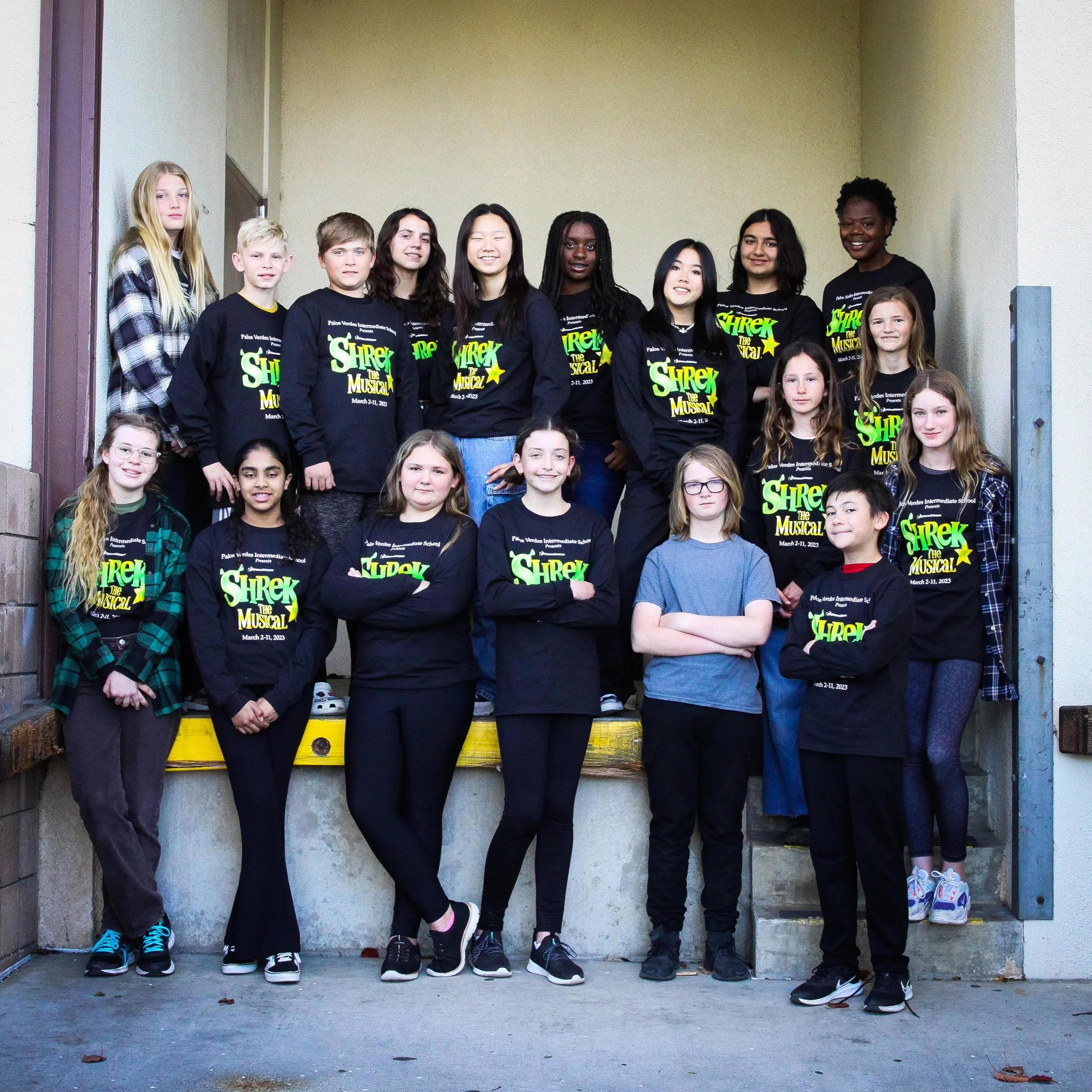
YOU’RE A CREW MEMBER!
Congratulations! You just joined the crew of the spring musical. What should you know or do to make the most of this experience?
Show up early and ready to work
LISTEN, DO NOT TALK, and do not interact with others when your directors are teaching you or giving you notes and feedback. It is considered very rude and unprofessional to draw focus to yourself or be a distraction while your teachers are addressing you as a group. Always listen to other people’s questions, because most likely the answer will affect you. Conversely, if you have a question that only pertains to you, wait until the group situation is over to approach the teacher.
Take care of the theater like it is yours. Stay organized and neat, and always pick up trash and throw it away. Grab a broom and dustpan, and sweep anytime you can!
“Techies” have to operate in the dark from the first cue until the audience applauds. All their work must feel seamless and invisible, but it creates all the effects that transport us from a school multi-purpose room to an underwater paradise, a spooky castle, or a swampy bog.
WHAT IS STAGECRAFT AND THE TECHNICAL ARTS?
As a crew member you will be learning and practicing stagecraft and the technical arts: set design, set construction, painting, lighting, sound, projection, and special effects. These are all the elements that help to create the magic that is theater and transport audience members to another place and time.
The technical arts comprise all of the creativity that is “behind the scenes,” and there are many times more careers and jobs in these areas than there are for performers. If you like to engineer, craft, and create worlds and experiences, the tech arts are the place for you!
Technical theater is the unsung, essential magic behind the scenes, often described as the hardest-working, least-appreciated, and most collaborative art form.
WHAT IS CREW?
Crew members do everything but the acting! They paint the flats, set the scenes, move the props, button the costumes, play the music, and turn on the lights. If it weren’t for crew, actors would be in a dark box yelling into the void.
BACKSTAGE ETIQUETTE
Hype up your crewmates and cast!! Support each other and have fun!
If you are in the wings, hide in the shadows and only whisper if you must communicate with someone.
When you clear a prop, reset it on the prop table.
When you clear a set piece, move it to where it makes sense for its next use: If it will be used again, reset it. If it will not, you can put it far away to make room for other things.
You will learn a lot via observing more experienced crew members. Don’t be afraid to jump in and lend a hand!
THEATER IS A TEAM SPORT
Everything you do on crew will be part of a team. You have each other’s backs, because no matter what the show must go on!
You will have every opportunity to practice cooperation, as well as to lead and to support. You will get out of Crew what you put into it!
We ask that you bring your best attitude and your A-game, that you be willing to work very hard and step up for whatever the job calls.
Be prepared to get your hands (and clothes) dirty, to lean in and try new skills—like using a hammer and power tools. You will get to learn from an adult who knows how, and all these skills will be transferable to real life.
ENSEMBLE
“There are no small parts, only small actors.”
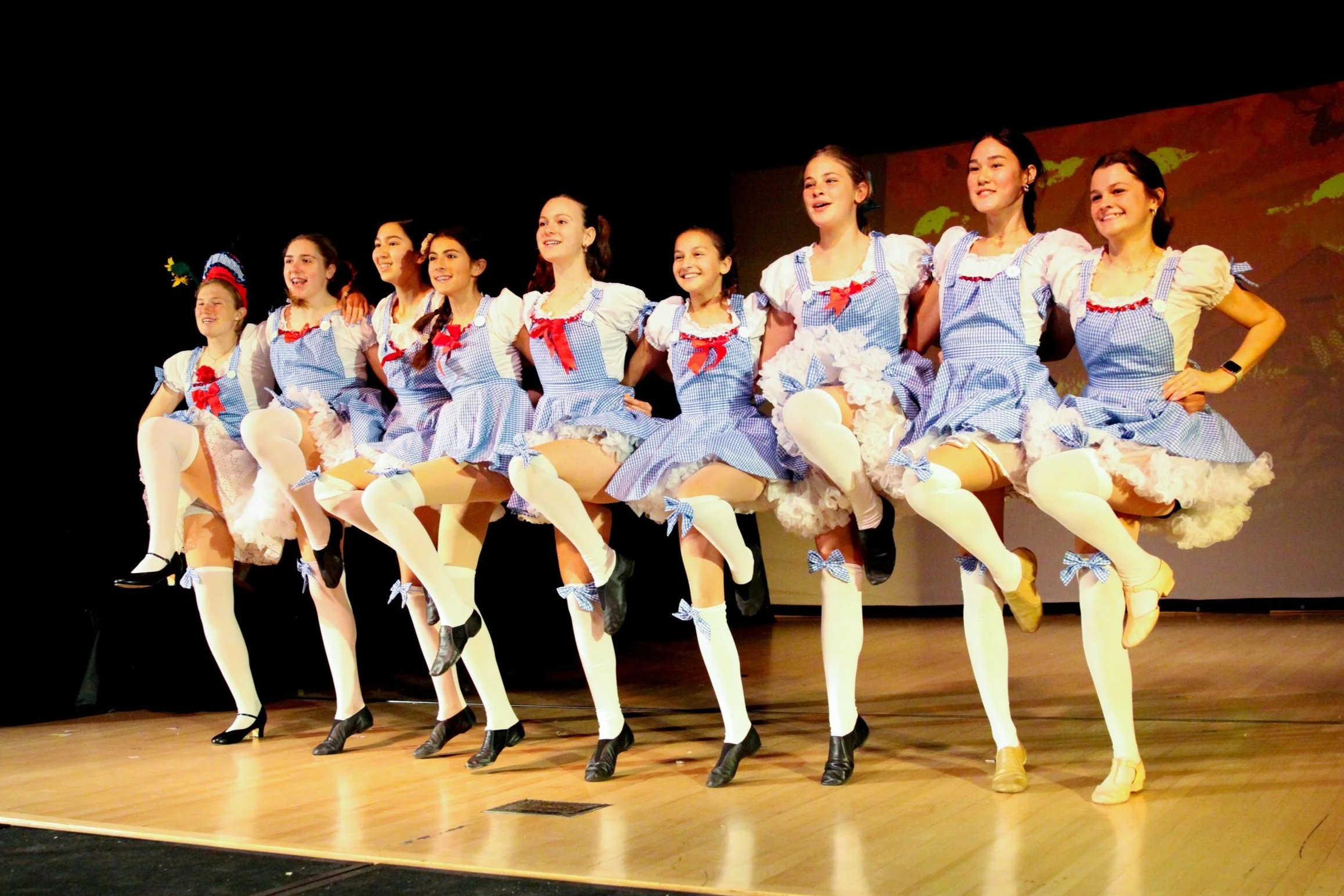

Ensemble members are KEY to creating a high-impact, exciting show! These are the performers that make big numbers BIG! If your child is disappointed they didn’t get a speaking part, remind them that ensemble usually have multiple numbers (which means lots of stage time), sometimes multiple characters (which means multiple costumes and changes). Being in the ensemble is challenging & demanding in different ways than being a lead.
MANAGE YOUR TIME + USE A CALENDAR
The best way to avoid becoming overwhelmed is to be prepared.
At the start of production, get into the habit of entering your rehearsals into a digital or paper calendar that you share with your family. This helps you stay organized and respectful of the time it takes for you to be dropped off and picked up by your drivers. Ms. O will post weekly rehearsal schedules every Sunday night at www.pvisdrama.com, and all the tech rehearsals and show dates are available before production even begins.
The weeks leading up to the shows are very full—lots of rehearsals and long tech days and nights. If you are new to juggling these types of hours, start practicing good time management: plan ahead, be fully present in class and at rehearsals, and fit in your homework and self-care when there’s downtime. The more you can stay ahead, the more you will also have time to rest, which you will want and need to stay healthy!
BE AT EVERY REHEARSAL
Every rehearsal will have new information, choreography, blocking, and feedback from your directors. Things are constantly changing, so if you miss a day, you could miss a lot.
If you must miss because of an appointment, prior commitment, or illness, you are required to notify Ms. O ahead of time or as soon as possible. Email her at oloughlinc@pvpusd.net.
IF YOU MISS REHEARSAL
If you do miss a rehearsal, immediately contact someone in the cast who was there and also learns the same part(s) you do. Arrange a time to meet with them IRL or virtually to go over what you missed. Even if you can’t learn every detail, you can return to rehearsal more prepared. If you miss rehearsal you will definitely miss something, so you need to come back having made an effort to make up the work, just like in any class.
LEADS


You’ve just landed a lead role! This means that the director and producer believe in your abilities to focus, memorize, rehearse, and take direction. You will need to practice these skills at the highest level you can, because as a lead, you cannot hide in the back and just follow along. You must…LEAD! This also means being totally engaged and listening whenever you are given feedback and instructions. You must also set an example for the rest of the cast by being dependable, responsible, and PREPARED at all times.
VOCAL COACHING
The biggest difference between being ensemble and being a lead is that you will now have solos. Being able to sing confidently on stage means that you must truly study and practice your craft for many hours.
You will have the wonderful opportunity to receive individual coaching from Mrs. Secrist, a longtime supporter of the theater programs. You will meet with her once a week, and she will teach you about singing, breathing, and expressing.
Bring a recording device or app on your phone like Voice Notes to record yourself, so you can play back and practice what came up during rehearsals. Practicing between coaching sessions is essential to improvement.
STAY HEALTHY! There are no understudies
There is no one else to play your part if you get sick, so practicing good hygiene, nutrition, fitness, and sleep is very important in the weeks leading up to the show. Wash your hands, don’t share drinks with others, and try to get enough rest. Keeping up with your studies is important, so manage your time wisely, so you still have time to recharge.
GO BIG! YOU ARE A STORYTELLER!
Musical Theater is over-the-top, expressive, colorful, and emotional! Be fearless and try new things, fail, make mistakes, push your limits, and surprise yourself! Embrace the humor, the fear, the joy, and all the emotions of the story. Your job is to move the audience, make them feel, and take them on a journey.
CREATE a memorable CHARACTER
Remember that you are serving a story! You are playing a distinctly written character who drives an important part of that story. Make sure you understand the plot (action), but also the deeper themes (messages).
Beyond reciting lines, you must bring this person (or animal, or creature) to life through your movements, your voice, your facial expressions, your timing, and your interactions with other actors.
Study your character, do your research online. Google and watch how your character has been portrayed by others before in the past—on stage and in film. Learn from them, and then add your own flavor! Try stuff out, collaborated with your castmates, get feedback from your directors. Ask, “what if” and see what happens!